






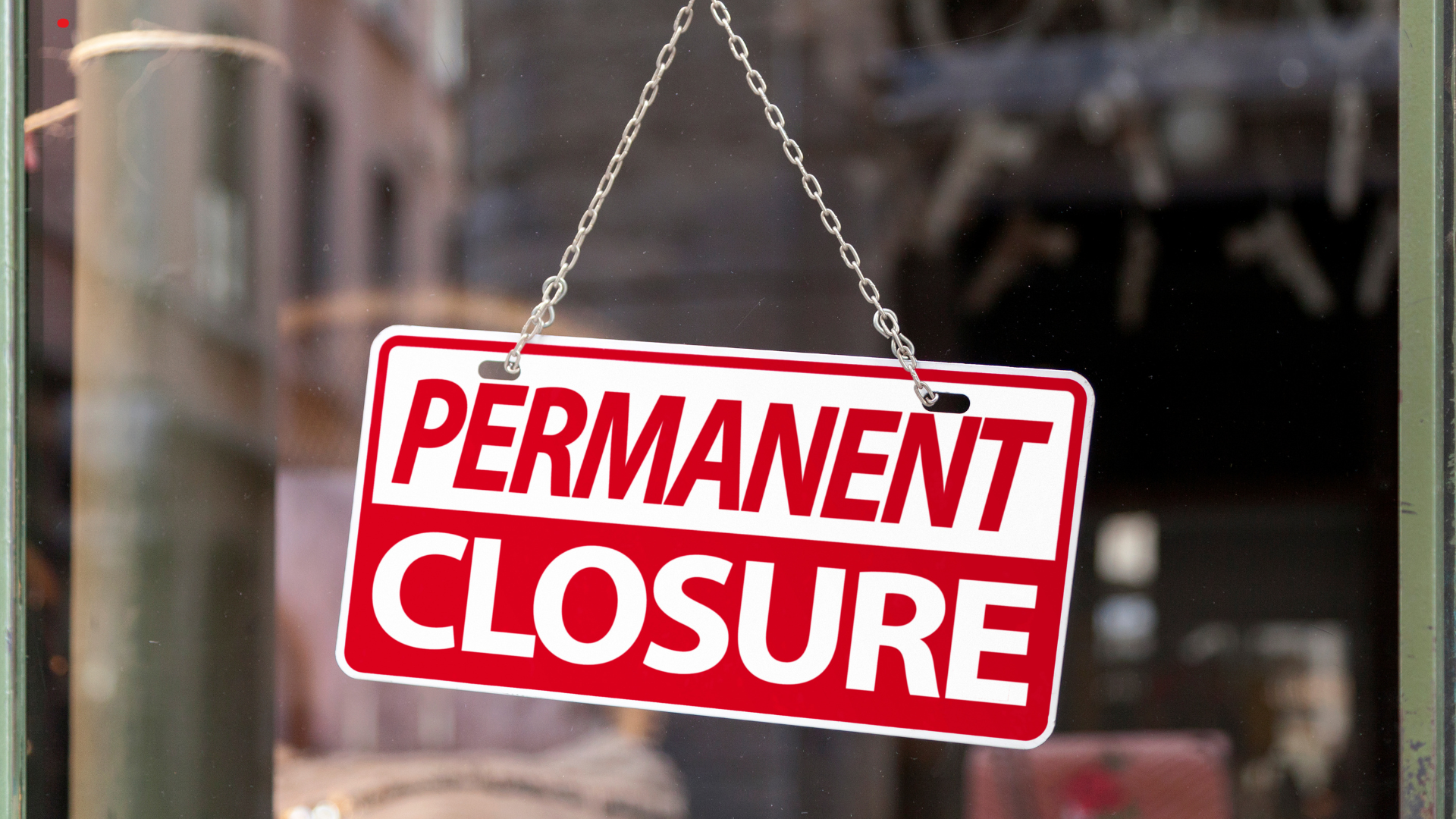
Walgreens has announced plans to close approximately 1,200 stores over the next three years, part of a multibillion-dollar cost-saving initiative aimed at addressing several challenges the retail pharmacy chain faces. The company’s new CEO, Tim Wentworth, made the announcement following a review that revealed nearly a quarter of its stores are not profitable. This decision mirrors a broader trend in the retail pharmacy industry, as rival CVS has also recently initiated large-scale layoffs and store closures in an attempt to adapt to a changing healthcare and retail environment.
Shift in Consumer Behavior and Store Overexpansion
One of the core reasons behind Walgreens’ decision is a significant shift in consumer behavior. Over the past several years, customers have increasingly turned to e-commerce giants like Amazon for convenience and cost savings, eroding the sales Walgreens once counted on from its widespread network of physical locations. Walgreens and CVS both aggressively expanded their store counts during the 2000s, with Walgreens now operating over 8,000 locations. However, that strategy has backfired in recent years, as they now find themselves overextended, with many stores underperforming.
BREAKING: Walgreens announces plan to close 1,200 stores, 800 more under evaluation.
The Chicago-based pharmacy chain, which has around 8,700 locations nationwide says that 1 in 4 of its stores are unprofitable. pic.twitter.com/cxz0WM7DVb
— I Meme Therefore I Am 🇺🇸 (@ImMeme0) October 16, 2024
Additionally, retail competition has intensified, with large retailers like Walmart and Costco offering more comprehensive and cheaper alternatives to Walgreens’ traditional pharmacy and retail offerings. Dollar stores and grocery chains have also encroached on the market, offering similar non-pharmacy products at lower prices.
Struggles with Theft and Operational Costs
Beyond changing consumer preferences, Walgreens has had to contend with significant operational challenges, particularly related to theft. Several stores, especially in high-theft areas like San Francisco, have had to lock away products such as frozen foods to prevent rampant shoplifting, further eroding the customer experience. The cost of securing these locations, combined with an ongoing shortage of staff, has led to a decline in customer satisfaction and store profitability. Despite efforts to make stores more attractive by offering services like photo printing and package drop-offs, Walgreens has struggled to differentiate itself from competitors.
In many locations, long-term leases on premium real estate add financial strain to the company’s bottom line. Retail experts have noted that Walgreens may have overextended its reach with too many stores in overlapping markets, making it difficult to maintain profitability in certain areas
imbursement and Healthcare Pressures
A critical factor impacting Walgreens’ financial performance is the increasing pressure from insurance companies on prescription reimbursements. Pharmacies like Walgreens are being reimbursed less for the drugs they dispense, a trend that has severely squeezed profit margins. To address this, Walgreens has made efforts to expand its services beyond retail and pharmacy. The company has invested heavily in partnerships with healthcare providers and is exploring more healthcare-focused business models, including offering telehealth services and managing in-store clinics. However, the shift has been slow and is yet to make a significant financial impact