





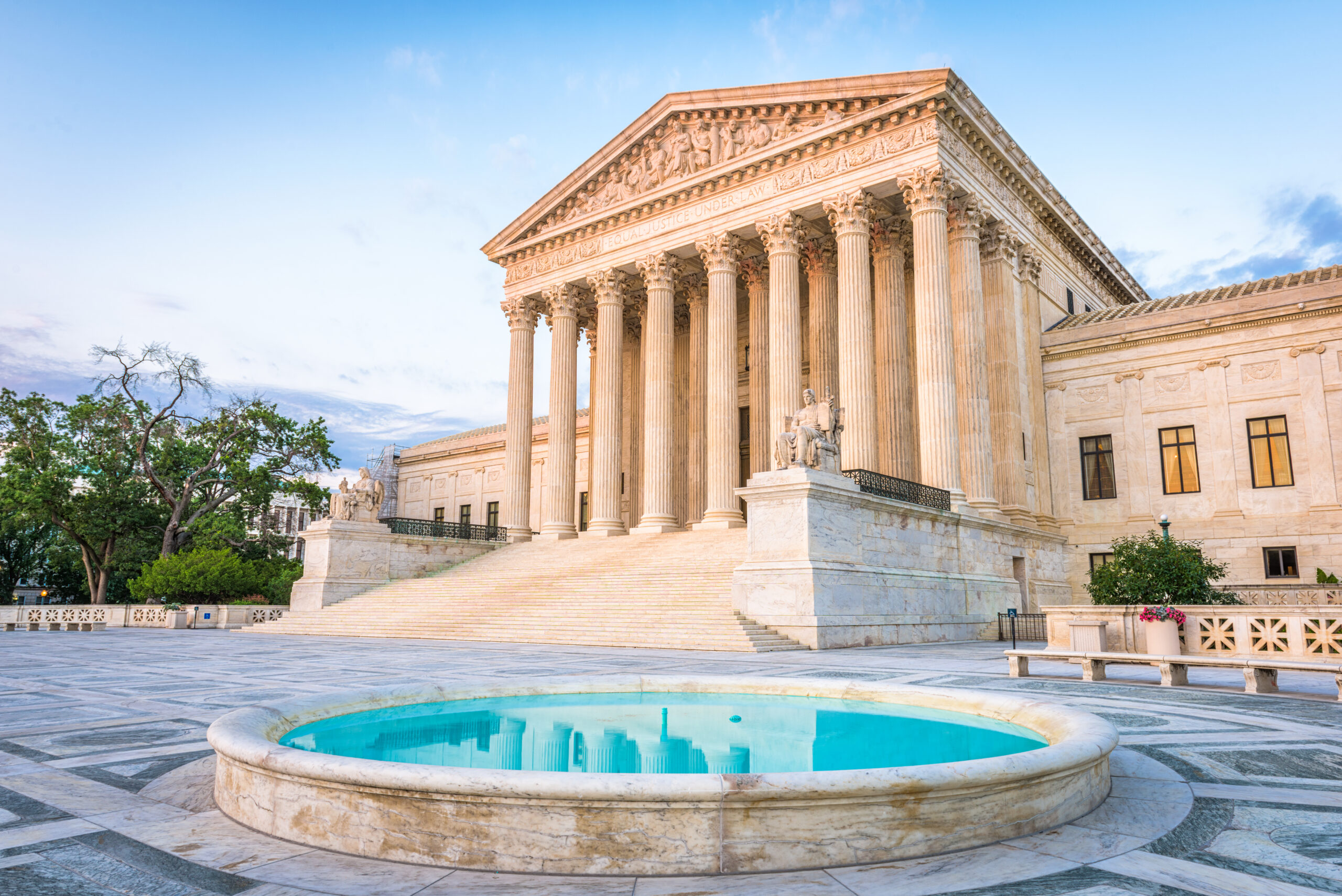
WASHINGTON D.C. – The Supreme Court will decide if state laws limiting social media platforms violate the Constitution.
According to the Associated Press both the governors of Texas and Florida signed these laws into action and lawsuits in lower courts have resulted in the law being upheld in Texas while the law in Florida was struck down by the court of appeals in each state. The law in Texas has been put on hold while litigation continues. Laws in both states aim to restrict social media platforms from censoring opinions posted by their users.
“But the alignment was unusual. Chief Justice John Roberts and Justices Stephen Breyer, Sonia Sotomayor, Brett Kavanaugh, and Amy Coney Barrett voted to grant the emergency request from two technology industry groups that challenged the law in federal court.”
Click here to sign up to Dave Bondy’s independent journalism. Help him keep it real.
In dissent, Justice Alito wrote, “Social media platforms have transformed the way people communicate with each other and obtain news.”
Some Republican-led legislatures have said that most social media platforms are liberal in nature and biased against viewpoints from the right. Other social media issues before SCOTUS last year, including a plea the court did not embrace to soften legal protections tech companies have for posts by their users.
“Online services have a well-established First Amendment right to host, curate, and share content as they see fit,” Chris Marchese, the litigation director for the industry group NetChoice, said in a statement. “The internet is a vital platform for free expression, and it must remain free from government censorship. We are confident the Court will agree.”