





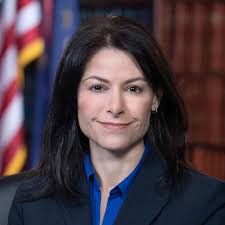
LANSING, Mich – Michigan Attorney General Dana Nessel, joined by attorneys general from 17 other states, the District of Columbia, and the City of San Francisco, has filed a federal lawsuit to block President Donald Trump’s executive order aimed at ending birthright citizenship for certain U.S.-born children.
The executive order, signed on January 20, seeks to deny automatic citizenship to children born in the United States whose mothers are unlawfully present or temporarily in the country, and whose fathers are neither U.S. citizens nor lawful permanent residents.
Click here to get BREAKING NEWS as it happens by signing up to Dave Bondy’s free newsletter.
“Birthright citizenship is a basic right granted to all Americans born on United States soil with historic roots and long-lasting implications for the states and their residents,” said Nessel. She emphasized that the Citizenship Clause of the Fourteenth Amendment has been established law for over 150 years and has been upheld by the U.S. Supreme Court.
In response to President Trump’s Issuance of Order purporting to limit birthright citizenship, Michigan and 17 other states filed suit today to defend basic constitutional rights for all Americans. pic.twitter.com/988bUCtGex
— Michigan Attorney General Dana Nessel (@MIAttyGen) January 21, 2025
The lawsuit, filed in the U.S. District Court for the District of Massachusetts, argues that the executive order violates the Fourteenth Amendment, which guarantees citizenship to “all persons born or naturalized in the United States, and subject to the jurisdiction thereof.” The plaintiffs are seeking immediate relief to prevent the order from taking effect, including a temporary restraining order and a preliminary injunction.
While the Supreme Court has yet to rule specifically on the applicability of the Citizenship Clause to children of undocumented immigrants, historical rulings have affirmed citizenship for children of lawful immigrants. The prevailing interpretation has been that birthright citizenship applies regardless of the parents’ immigration status.
The executive order is set to take effect 30 days after its issuance, on February 19, 2025, and does not retroactively affect individuals already granted citizenship. Opponents argue that the order will strip affected individuals of fundamental rights, including the ability to work lawfully, vote, and access federal benefits, effectively rendering them stateless and under threat of deportation.
In addition to individual harms, the lawsuit contends that the executive order will impose significant burdens on states. States stand to lose federal funding for programs such as Medicaid, the Children’s Health Insurance Program, and foster care and adoption assistance, which are partially determined by the immigration status of residents. The order would also require states to modify the administration of these programs on short notice, leading to considerable administrative expenses.
Nessel underscored the broader implications of the executive order, stating, “The U.S. Constitution lays out the steps to alter an amendment unequivocally and clearly, and those steps do not include an executive order on the first or any day of a presidential term.” She reaffirmed her commitment to protecting the rights of Michigan residents, noting that legal action would be taken when federal policies “violate the law and…inflict specific, concrete harm or injury to the State of Michigan or her residents.”
The coalition of attorneys general involved in the lawsuit includes representatives from California, Colorado, Connecticut, Delaware, Hawaii, Maine, Maryland, Massachusetts, Minnesota, Nevada, New Jersey, New Mexico, New York, Rhode Island, Vermont, Wisconsin, as well as Washington D.C. and the City of San Francisco.
This legal challenge marks the first lawsuit filed by Nessel in response to actions taken by the new administration. It reflects a broader trend of state-level officials seeking judicial intervention to block federal policies perceived as overreaching or unconstitutional. The outcome of this case could have significant implications for the interpretation of the Fourteenth Amendment and the future of birthright citizenship in the United States.