








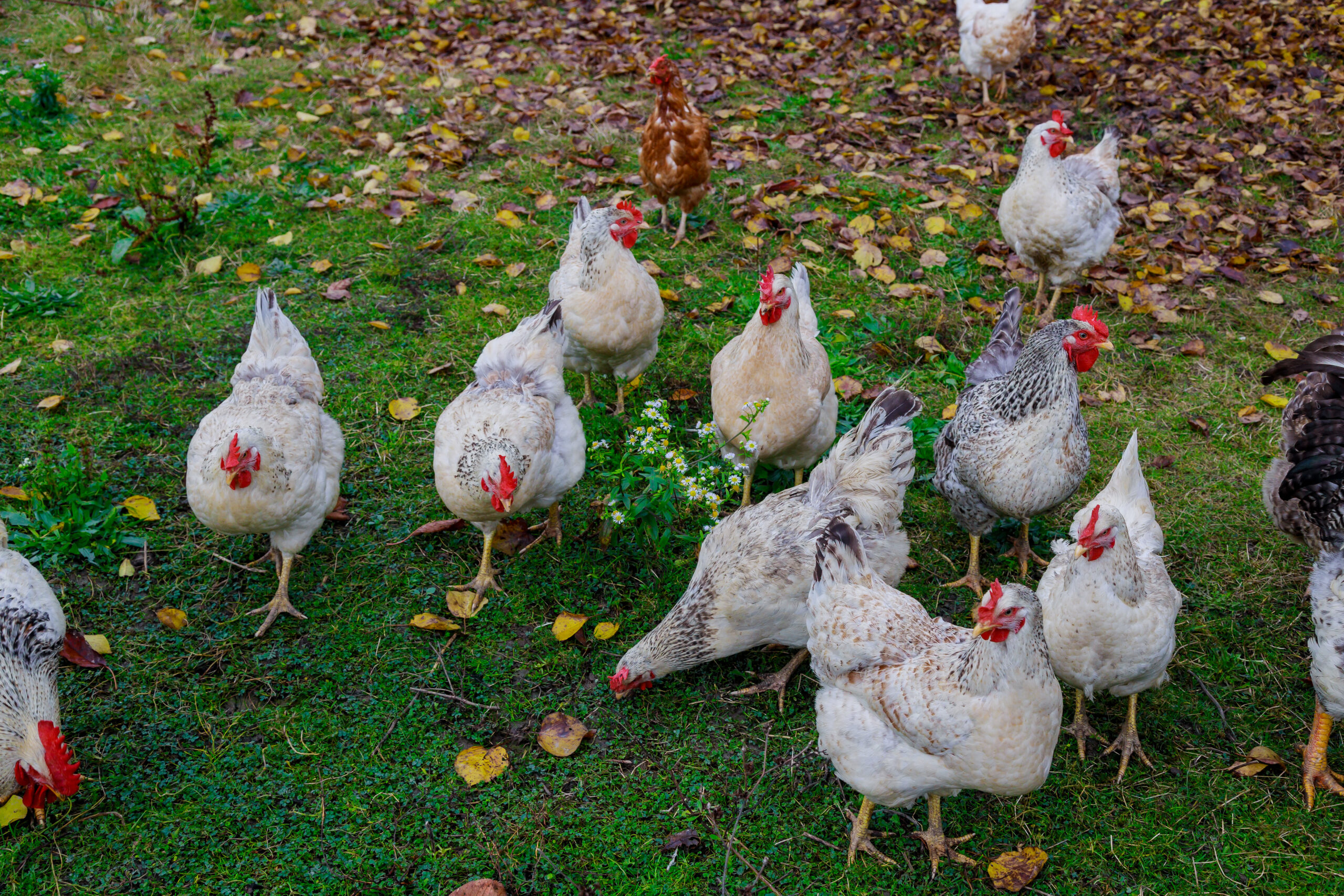
LANSING, Mich. — State Rep. Jim DeSana has reintroduced legislation aimed at allowing more Michigan residents to keep backyard chickens, arguing that the measure would promote self-sufficiency and help families reduce grocery costs amid ongoing egg shortages.
The legislation, House Bills 4049 and 4050, would permit residents to keep up to five hens per quarter-acre of residential property, with a maximum of 25 hens per lot. Roosters, known for their noise, would be prohibited.
“A young hen lays an egg about two out of every three days. With just five hens, that’s approximately two dozen eggs a week,” said DeSana, R-Carleton. “Think about how much that could help families lower their grocery bills right now. The current egg shortage would be less severe had this bill been passed two years ago.”
The measure had been introduced in the previous legislative session but was never brought up for a vote under Democratic control. However, Republicans regained a majority in the Michigan House of Representatives in November, increasing the likelihood of movement on the bill.
Addressing Concerns About Noise and Odor
DeSana, a longtime farmer, emphasized that backyard hens are not a neighborhood nuisance.
“There’s a misconception that backyard chickens can be a problem, but they’re no more trouble than a couple of dogs or the neighbors having a few cats,” DeSana said. “Hens are very docile animals as long as you don’t have a rooster. A rooster could attack neighbors or children to defend the hens. They will peck at you. Hens don’t do that.”
To prevent conflicts between neighbors, the legislation requires a minimum lot size of a quarter-acre and directs chicken owners to follow generally accepted agricultural practices. It also empowers the Michigan Department of Agriculture to handle complaints related to noise, odor, and manure disposal. The bill includes penalties for individuals who repeatedly file unverified complaints.
Click here to get Dave Bondy’s free newsletter.
Egg Shortages and Bird Flu Impact
The push for backyard chickens comes as Michigan continues to grapple with egg shortages linked to the ongoing bird flu outbreak. More than 40 million egg-laying hens have been lost nationwide due to the virus, including 6.5 million in Michigan alone.
“When an egg-production operation becomes infected, the entire flock must be destroyed, and it takes nine to 12 months to recover,” DeSana explained.
While bird flu remains a concern for large commercial operations, DeSana said small backyard flocks are less vulnerable and pose minimal risk to human health.
“Most people who keep hens are going to consume the eggs by cooking them in their own household,” he said. “As long as you properly cook the eggs, you’re fine. But I wouldn’t recommend drinking raw eggs like Rocky.”
Legislative Details and Next Steps
If passed, the bills would:
- Prevent local governments from banning backyard chickens.
- Require property owners to maintain a quarter-acre lot to avoid noise and odor concerns.
- Allow up to five hens per quarter-acre, capping the total at 25 hens.
- Mandate adherence to standard agricultural practices, including keeping coops at least 50 feet from neighboring residences.
- Grant oversight to the Michigan Department of Agriculture for handling disputes and complaints.
The legislation has been referred to the House Agriculture Committee, where it will be reviewed before potential advancement to the full House for consideration.
DeSana, who has been a farmer for two decades, raises livestock, including sheep and cattle, at Shamrock Station, his farm in northern Monroe County. He represents the 29th House District, covering parts of Monroe and Wayne counties.